
GHK-Cu50mg–100mg
$55Lyophilized GHK-Cu supplied as a research reference standard.
Secure
Ordering
Same-Day
Dispatch
Third Party
Tested
Batch & Lot
Tracking
Free Ship
Over $200
Based in
the USA




Secure checkout · ACH bank transfer saves 5%
Supplied to qualified labs and institutional buyers. Institutional use & eligibility
Frequently researched together
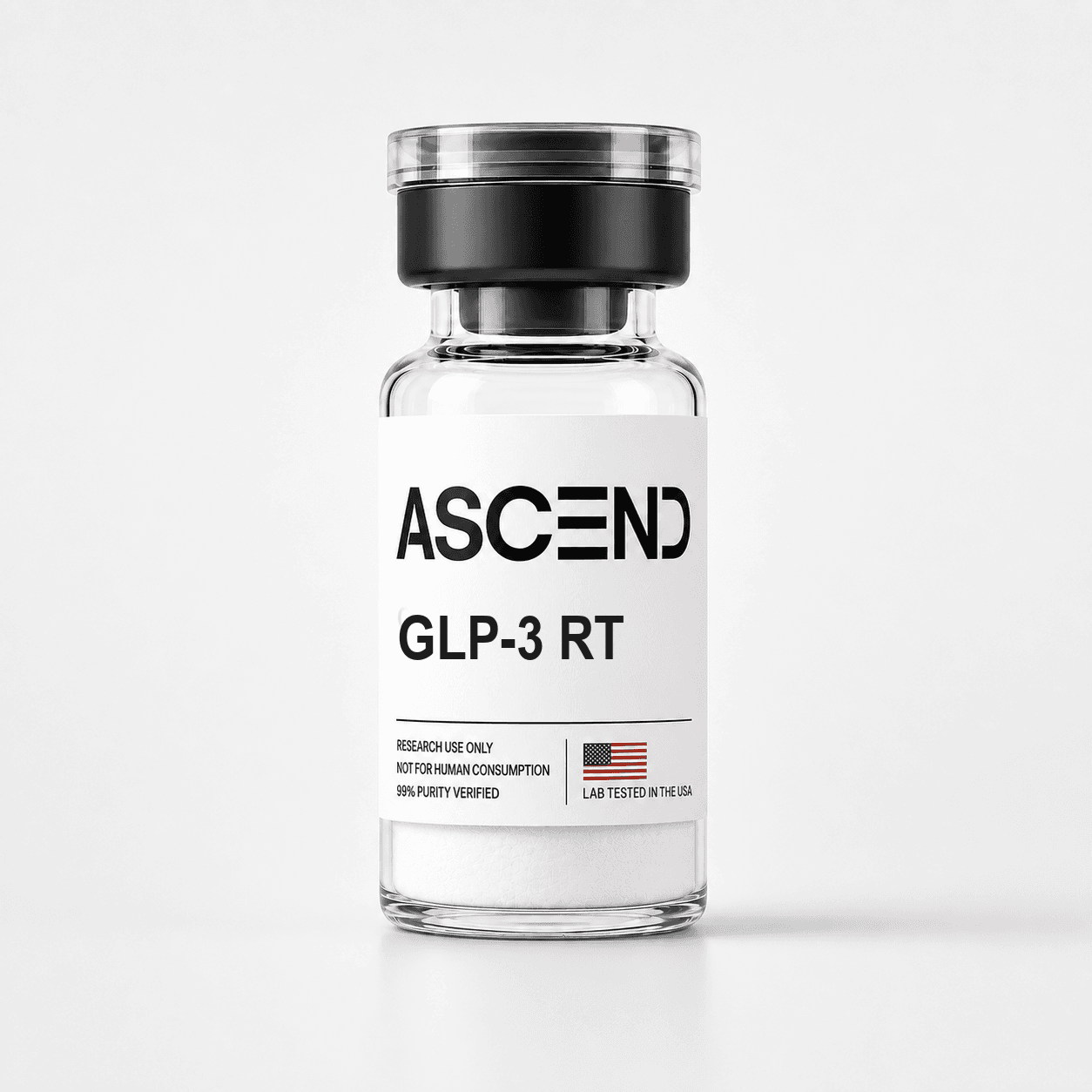
GLP-3 RT
20mg
$150
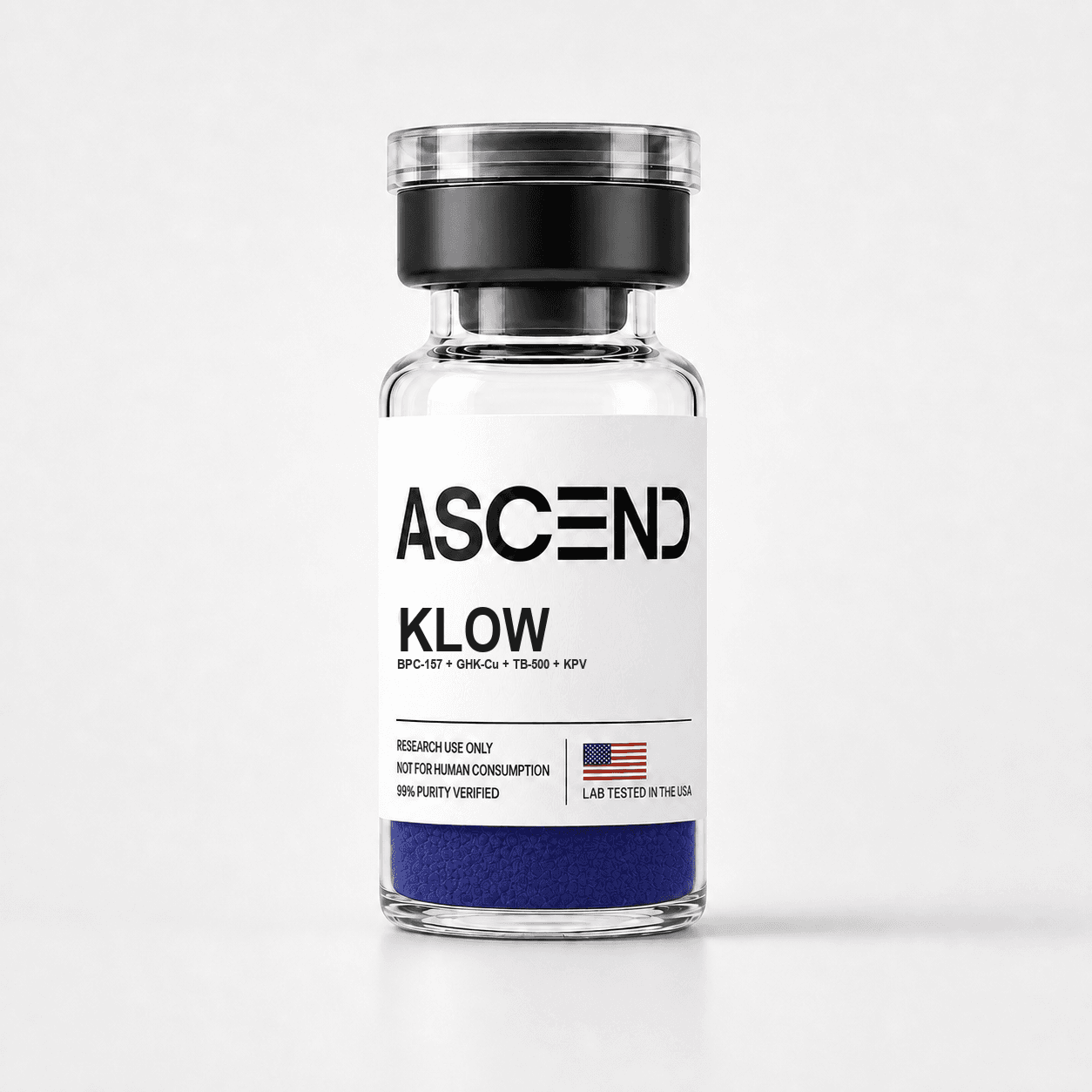
KLOW
80mg
$195
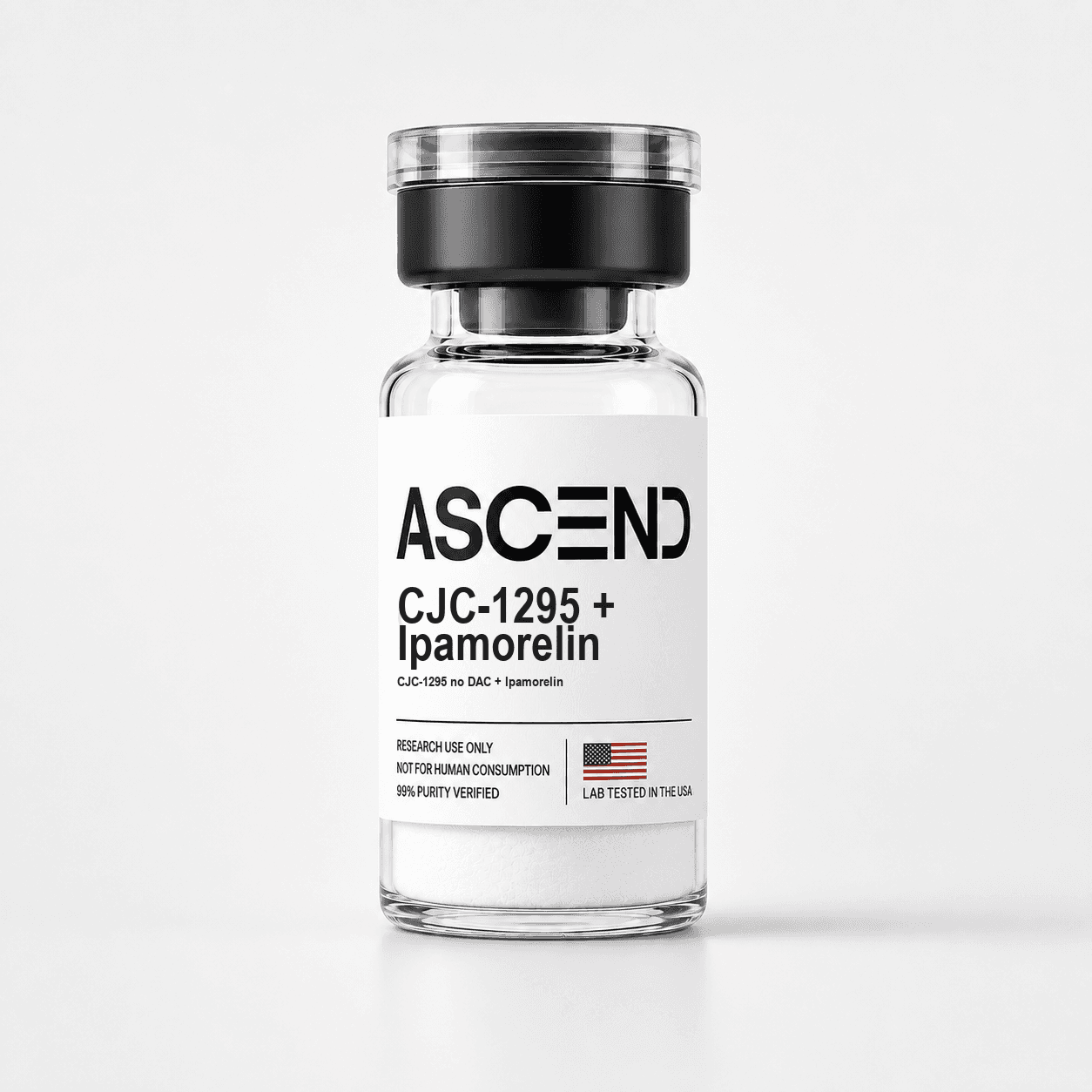
CJC-1295 + Ipamorelin
10mg + 10mg
$190
Bundle total
$535
Researchers also viewed
View all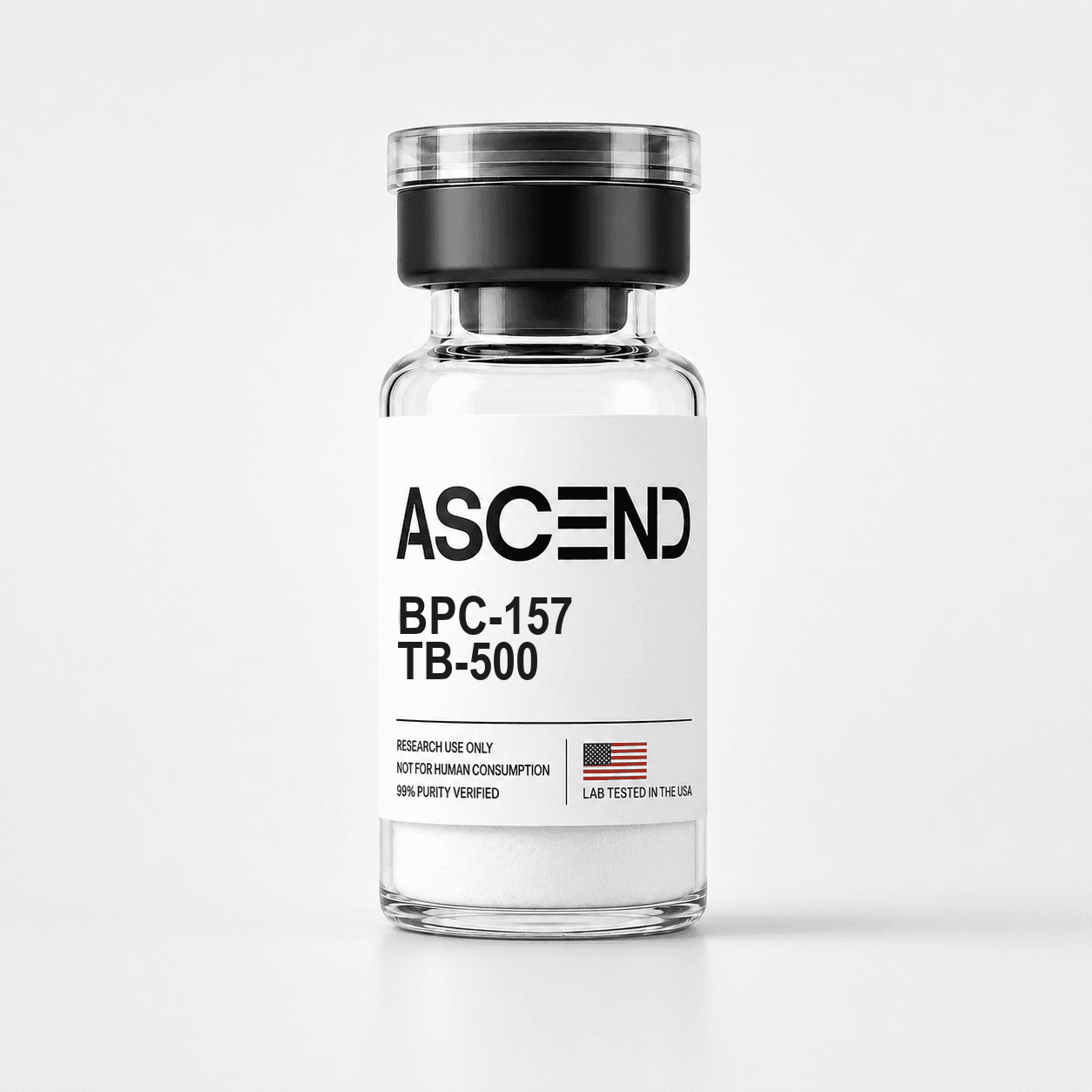
Sample Certificate of Analysis
Certificate of Analysis
GHK-Cu
Lot Number
SAMPLE-LOT
Purity (HPLC)
≥99%
Nominal Fill
50mg
Example of the certificate format issued for this compound. Purity and specification figures are the published values for GHK-Cu; the lot number and test date are shown only as placeholders. The certificate for the specific lot you receive is matched to the lot number printed on the vial. For laboratory research use only.
Characteristics
| Molecular Formula | C₁₄H₂₃N₃O₄·Cu |
|---|---|
| CAS Number | 49557-75-7 |
| Molar Mass | 403.93 g/mol (copper complex) |
| Amino Acid Sequence | Gly-His-Lys (tripeptide) chelated to Cu²⁺ |
| Synonyms | Copper peptide GHK-Cu, Glycyl-L-histidyl-L-lysine copper(II), Loren Pickart's copper peptide |
| Physical Form | Lyophilized powder |
| Solubility | Freely soluble in water |
| Organoleptic Profile | Blue to blue-violet lyophilized powder; odorless |
| Storage Conditions | Store lyophilized at -20°C; protect from light; reconstituted solution stable at 2-8°C |
| Composition | Lyophilized GHK-Cu complex |
How is GHK-Cu used in research?
GHK-Cu is a naturally occurring copper-binding tripeptide (Gly-His-Lys) first isolated from human plasma by Loren Pickart in the 1970s. The peptide has a high affinity for copper(II) ions, forming a stable 1:1 complex that is the biologically active form. GHK-Cu is present in human plasma, saliva, and urine, with plasma concentrations declining significantly with age - from approximately 200 ng/mL at age 20 to 80 ng/mL by age 60. This age-related decline has generated substantial research interest in the peptide's role in tissue-maintenance and tissue-repair research models.
Research has demonstrated that GHK-Cu modulates the expression of a remarkable number of human genes - a 2010 Broad Institute Connectivity Map analysis identified 4,000+ genes whose expression was significantly regulated by GHK, including genes involved in collagen/ECM assay pathways, inflammatory-marker modulation in preclinical studies, antioxidant-enzyme defense, and stem-cell recruitment markers. The peptide is studied in collagen/ECM assay models of types I, III, and IV, and in elastin, decorin, and glycosaminoglycan assays. It also stimulates production of metalloproteinases and their inhibitors (TIMPs) in preclinical ECM-remodeling assay models. Additionally, GHK-Cu upregulates integrin expression in cell-culture systems, facilitating cell-adhesion and migration kinetics research.
Dermatological research has extensively characterized GHK-Cu in in-vitro wound-assay outcomes and preclinical skin-remodeling models. Studies show wound-closure kinetics in preclinical models, activity in in-vitro endothelial tube-formation (angiogenic) assays, nerve-outgrowth assay markers, and improved organization in tissue-repair research models. The peptide has also been investigated for anti-fibrotic assay activity, modulation of free-radical damage markers through superoxide-dismutase induction, and cancer-research gene-expression modulation of markers associated with aggressive tumor behavior.
Areas of Study
Dermal Matrix Research
Studied in collagen/ECM assay models of collagen I, III, and IV, elastin, decorin, and glycosaminoglycans while modulating metalloproteinase activity in preclinical ECM-remodeling assays.
In-Vitro Wound-Assay Outcomes
Examined in wound-closure assays, in-vitro endothelial tube-formation (angiogenic) assays, and nerve-outgrowth markers, with improved architectural organization in tissue-repair research models.
Gene Expression Modulation
Broad Institute analysis identified over 4,000 genes regulated by GHK, spanning collagen/ECM assay pathways, inflammatory-marker modulation in preclinical studies, and stem-cell pathway markers.
Antioxidant Defense
Induces superoxide dismutase and other antioxidant enzymes in preclinical cell cultures, modulating oxidative stress and free-radical damage markers.
Anti-Fibrotic Assay Activity
Investigated for modulation of scar-tissue and fibrotic-marker formation in preclinical models through balanced metalloproteinase and TIMP regulation.
Hair Follicle Biology
Studied in hair-follicle research models for effects on follicle enlargement and hair-growth markers, potentially through in-vitro endothelial tube-formation assays and beta-catenin activity.
References
- [1]Pickart L, Vasquez-Soltero JM, Margolina A. (2015). GHK peptide as a natural modulator of multiple cellular pathways in skin regeneration. BioMed Research International, 2015, 648108.
- [2]Pickart L, Vasquez-Soltero JM, Margolina A. (2012). GHK-Cu may prevent oxidative stress in skin by regulating copper and modifying expression of numerous antioxidant genes. Cosmetics, 2(3), 236-247.
- [3]Lamb J, Crawford ED, Peck D, et al. (2006). The Connectivity Map: using gene-expression signatures to connect small molecules, genes, and disease. Science, 313(5795), 1929-1935.
- [4]Maquart FX, Pickart L, Laurent M, et al. (1988). Stimulation of collagen synthesis in fibroblast cultures by the tripeptide-copper complex glycyl-L-histidyl-L-lysine-Cu²⁺. FEBS Letters, 238(2), 343-346.
- [5]Leyden J, Stephens T, Finkey M, Appa Y, Barkovic S. (2002). Skin care benefits of copper peptide containing facial cream. American Academy of Dermatology 60th Annual Meeting, Abstract P68.
Disclaimer: Information provided for research reference only; not medical advice. Sold strictly for in-vitro research use.
Certificate of Analysis
Third-party verified
Every batch of GHK-Cu is independently tested by an A2LA-accredited (ISO 17025:2017) laboratory using HPLC-UV/VIS for purity and identity, with a batch-specific lot number. Results are published publicly.
View COAsMore research compounds
View all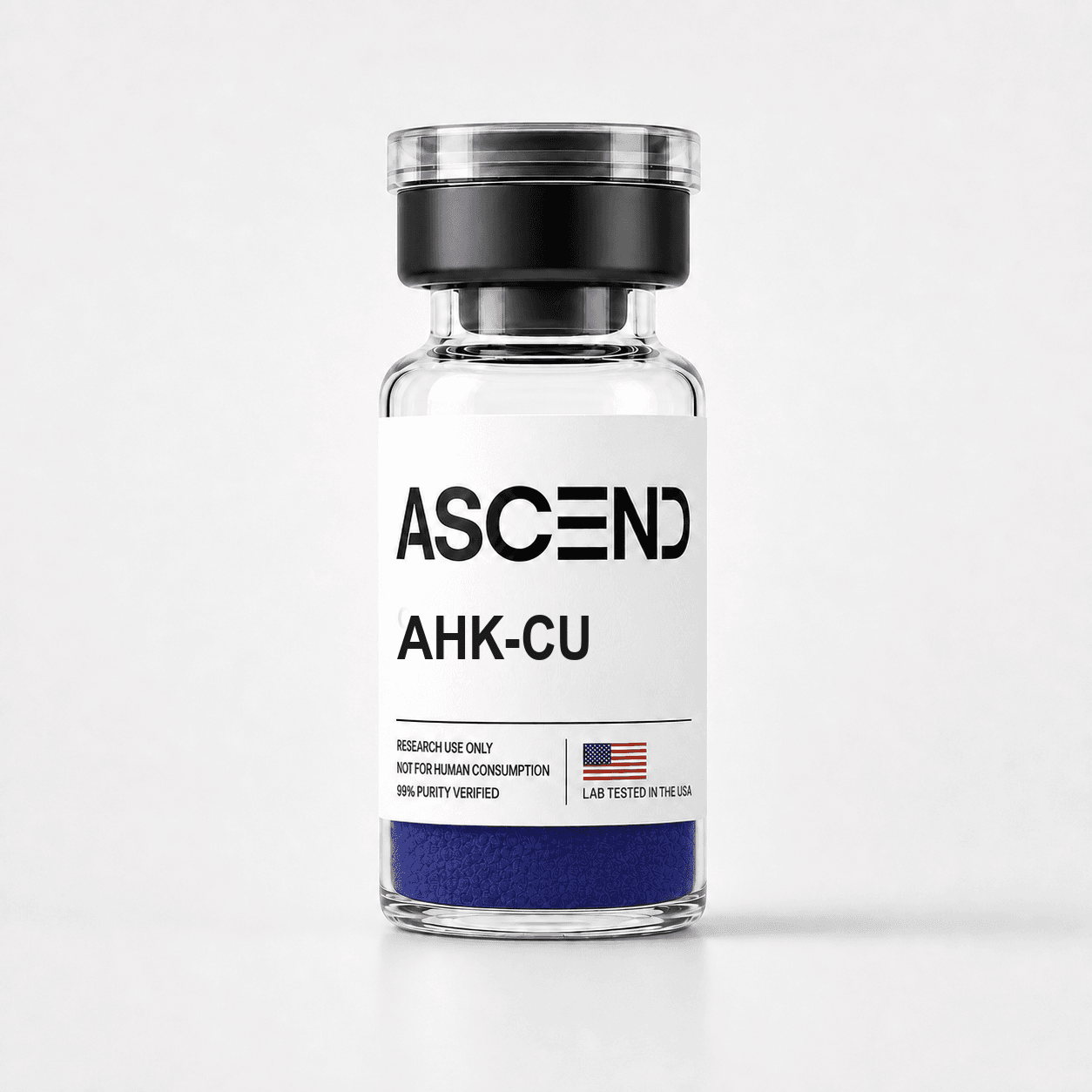
AHK-Cu
from $65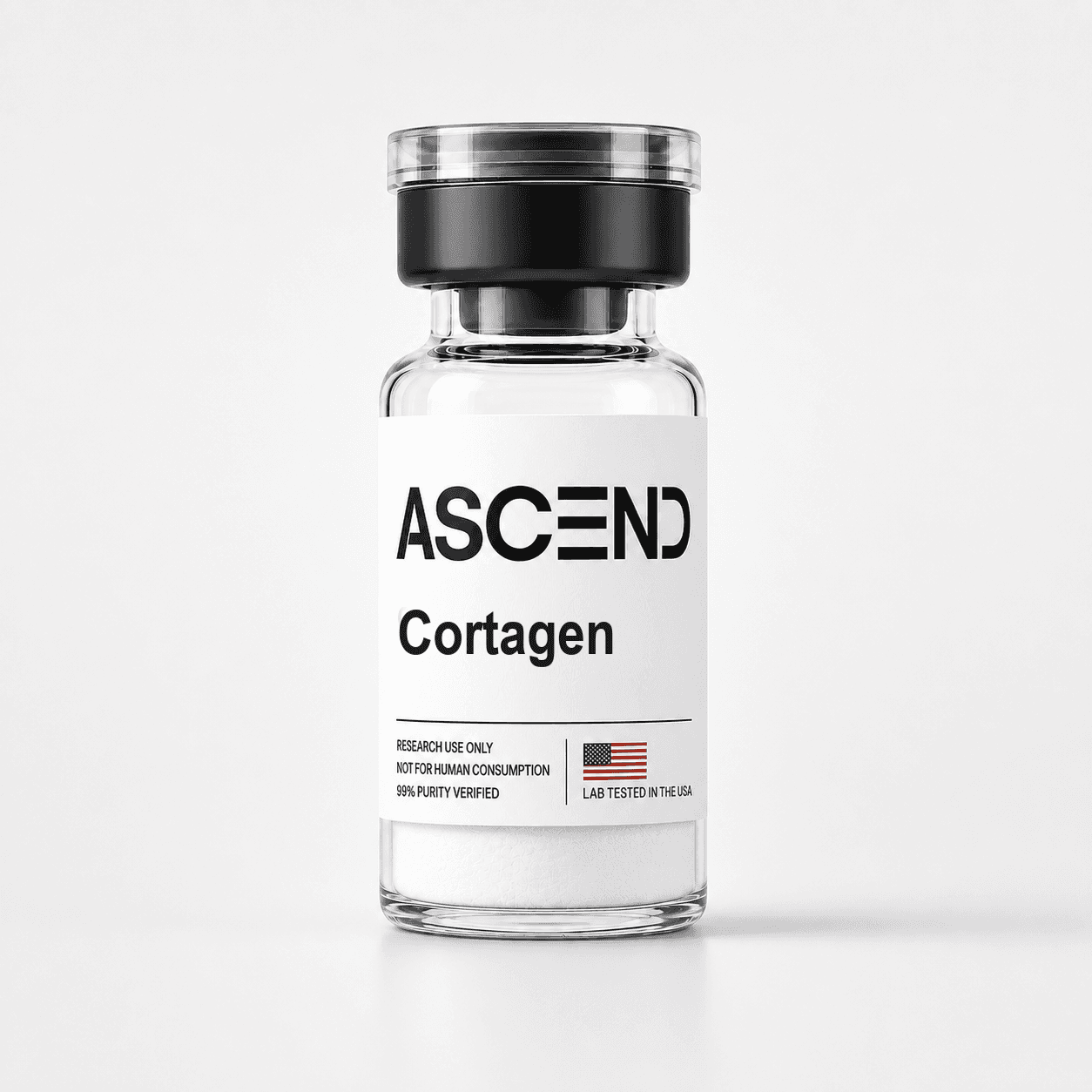
Cortagen
$115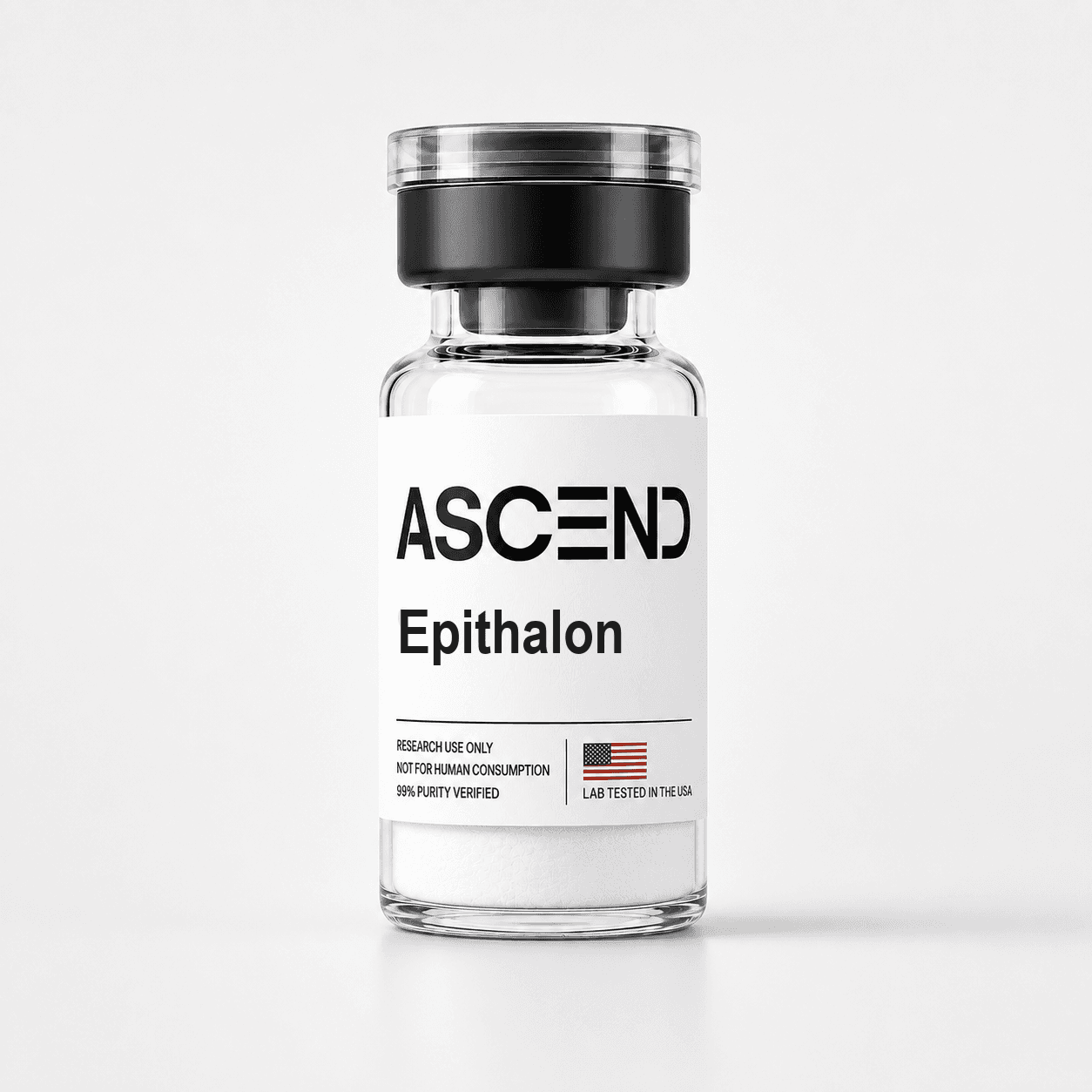
Epithalon
from $65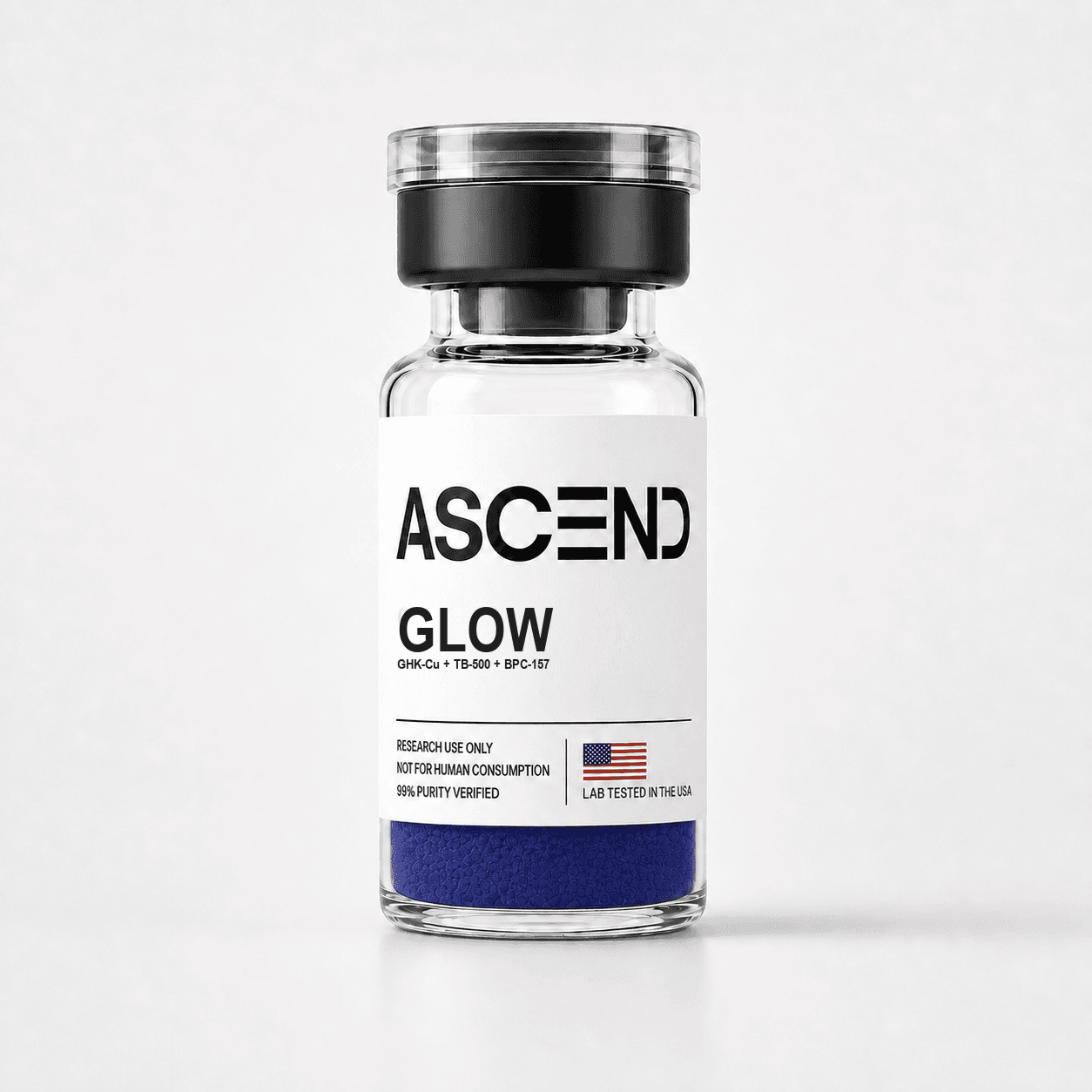 Blend
BlendGLOW
$190
Glutathione
from $55BlendKLOW
$195
Snap-8
$65
SS-31
from $90Frequently
Asked
Questions
Everything on purity, paperwork, shipping and the research-use-only terms. Still stuck? Read the full FAQ.
What does research use only mean?
Every compound we supply is a reference standard intended strictly for in-vitro laboratory research. It is not a drug or a supplement, and it is not for human or veterinary use, nor for diagnostic or therapeutic use.
How is purity verified?
Every lot is assayed by HPLC at an independent, accredited third-party laboratory. We publish the resulting Certificate of Analysis and link it to the lot number printed on the vial.
Where do I find the Certificate of Analysis?
Every lot has a public, batch-linked COA. Browse them all on the COA page, or open any product page and use the COA tab for that specific compound.
How quickly do orders ship?
Orders placed before 2PM EST ship the same business day. Shipments are cold-packed where required and fully tracked.
Do you ship internationally?
We currently ship within the United States. Requests from institutional buyers outside the US are handled case by case, so contact us before ordering.
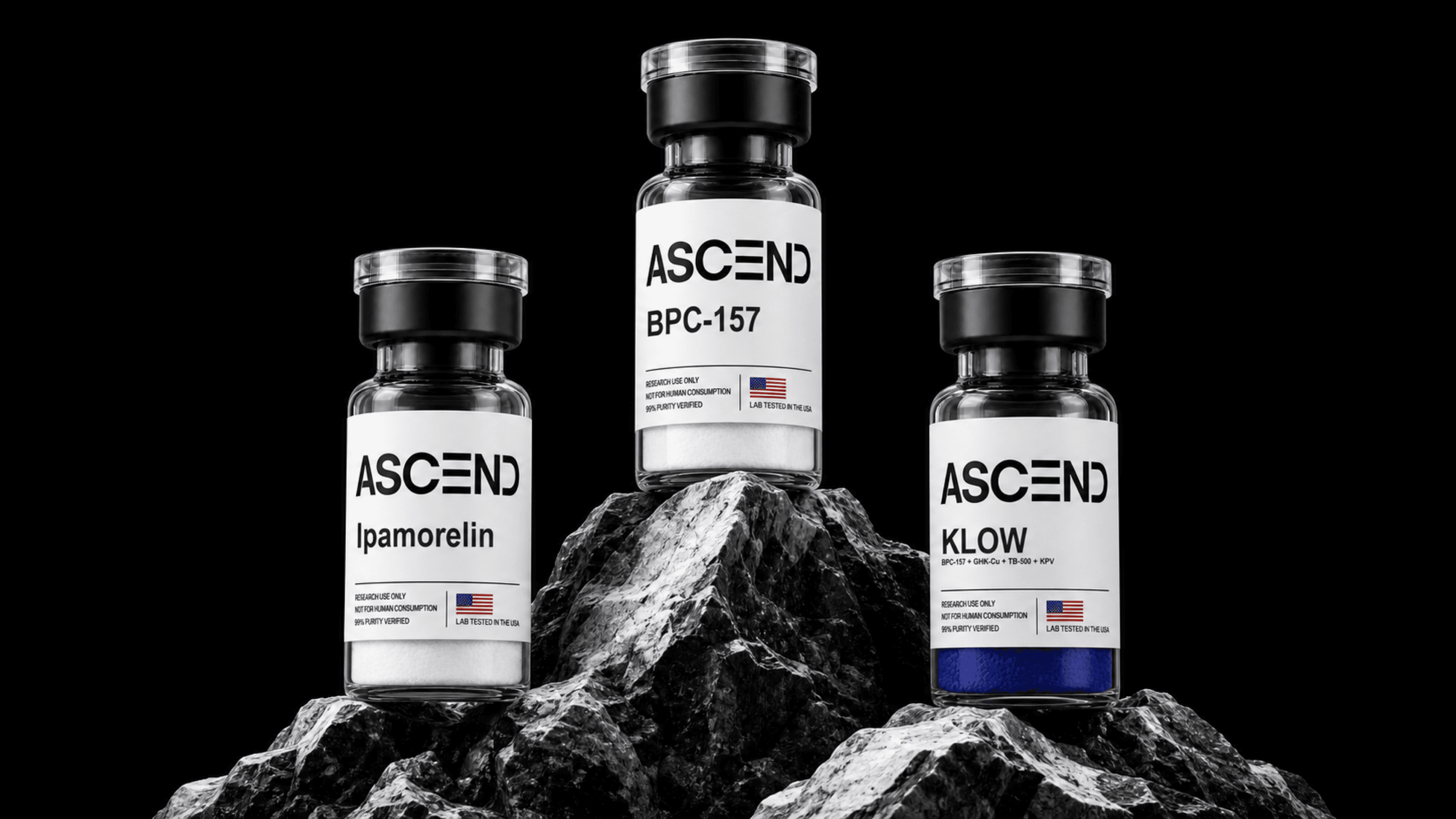
Ready to Start
Your Research?
Browse the complete catalog of third-party verified, lyophilized research compounds. Orders before 2PM EST ship same day.