
Researchers studying BPC-157 often combine
Save $45 with the BPC-157 + TB-500
All 2 compounds in a single lyophilized vial. Pre-blended at researcher-validated ratios for in-vitro co-incubation studies - no separate reconstitutions to manage.
Buying singles
- BPC-157 10mg$70
- TB-500 5mg$85
BPC-157 + TB-500
BPC 5mg + TB 5mg
BPC-15710mg
$70Lyophilized BPC-157 supplied as a research reference standard.
Secure
Ordering
Same-Day
Dispatch
Third Party
Tested
Batch & Lot
Tracking
Free Ship
Over $200
Based in
the USA





Secure checkout · ACH bank transfer saves 5%
Supplied to qualified labs and institutional buyers. Institutional use & eligibility
Frequently researched together
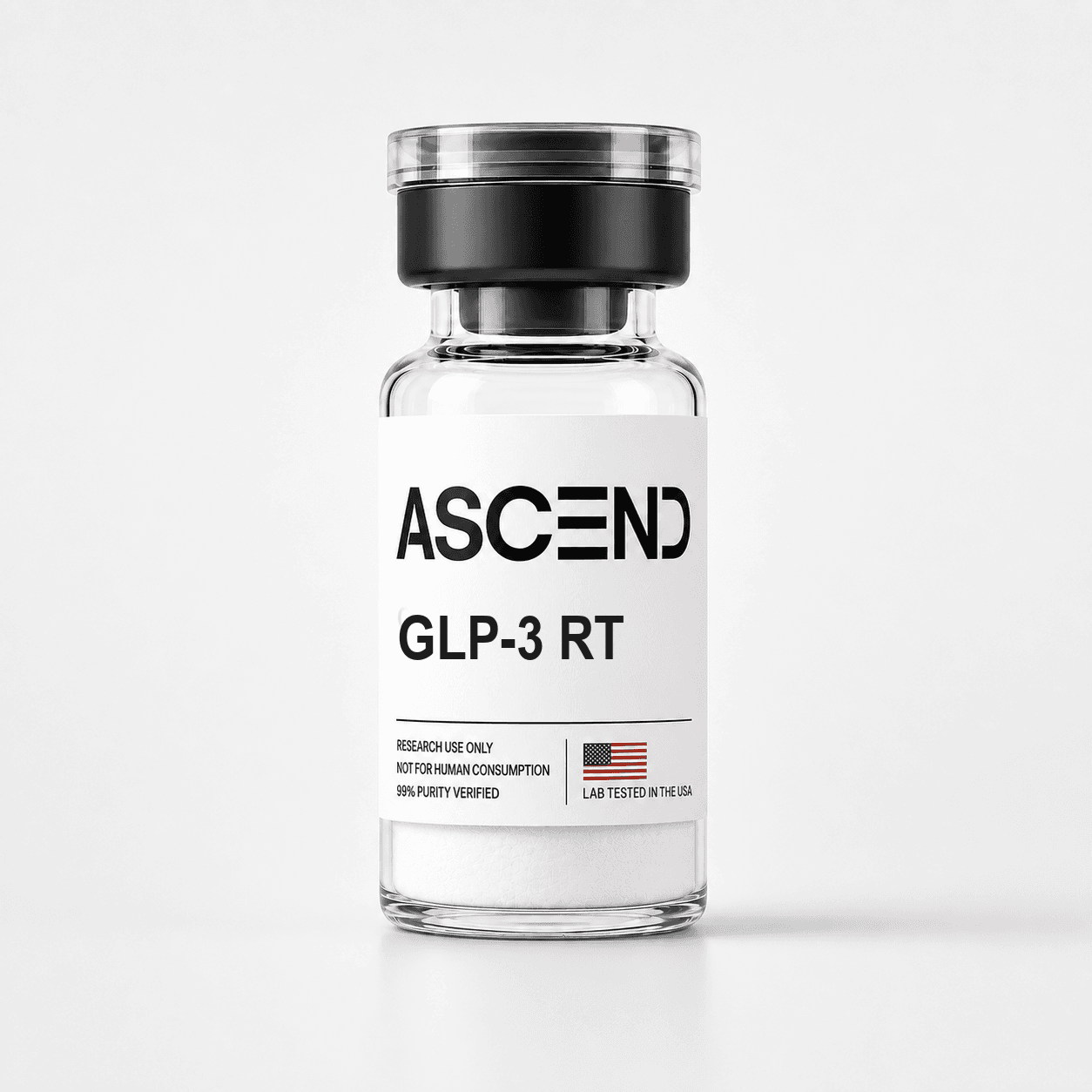
GLP-3 RT
20mg
$150
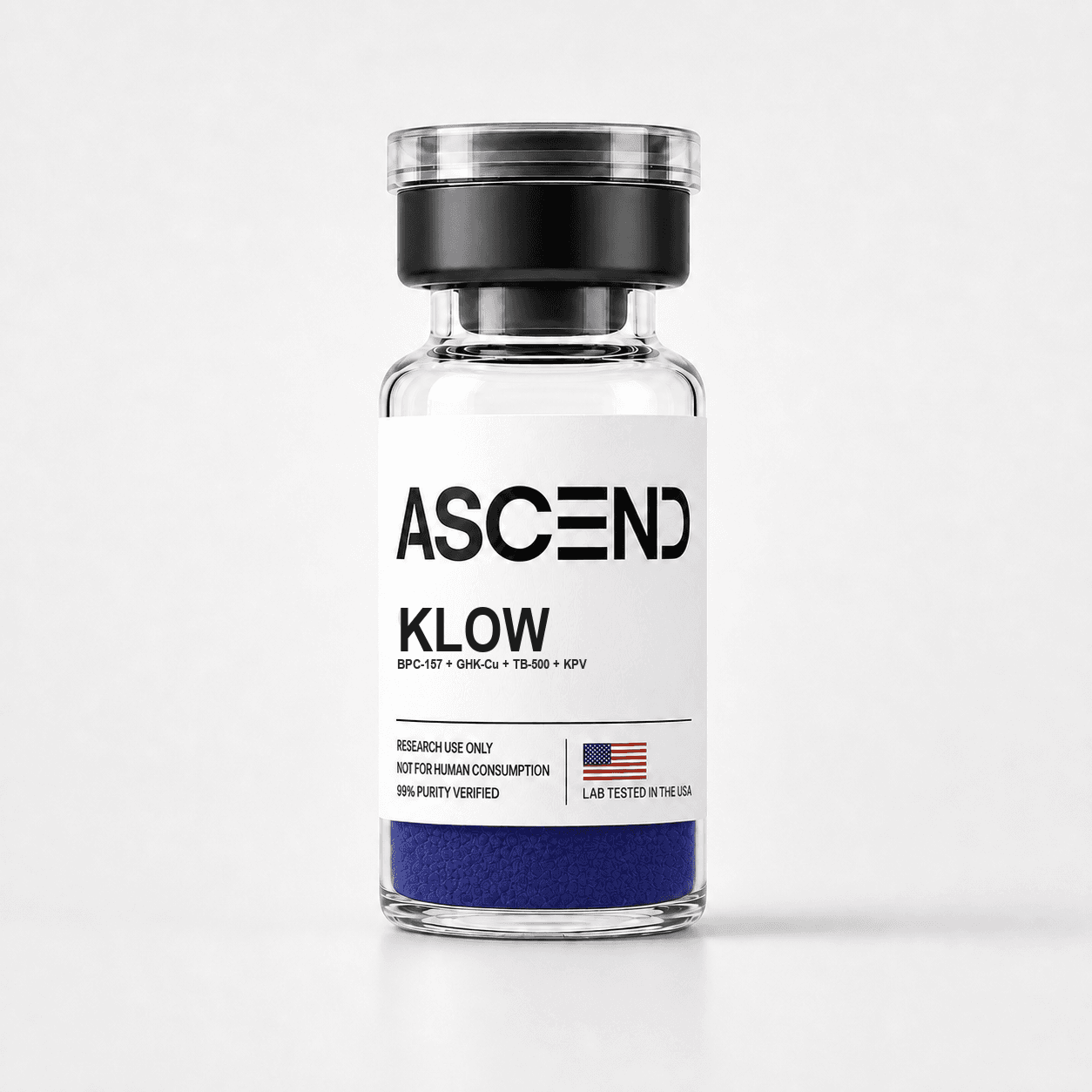
KLOW
80mg
$195
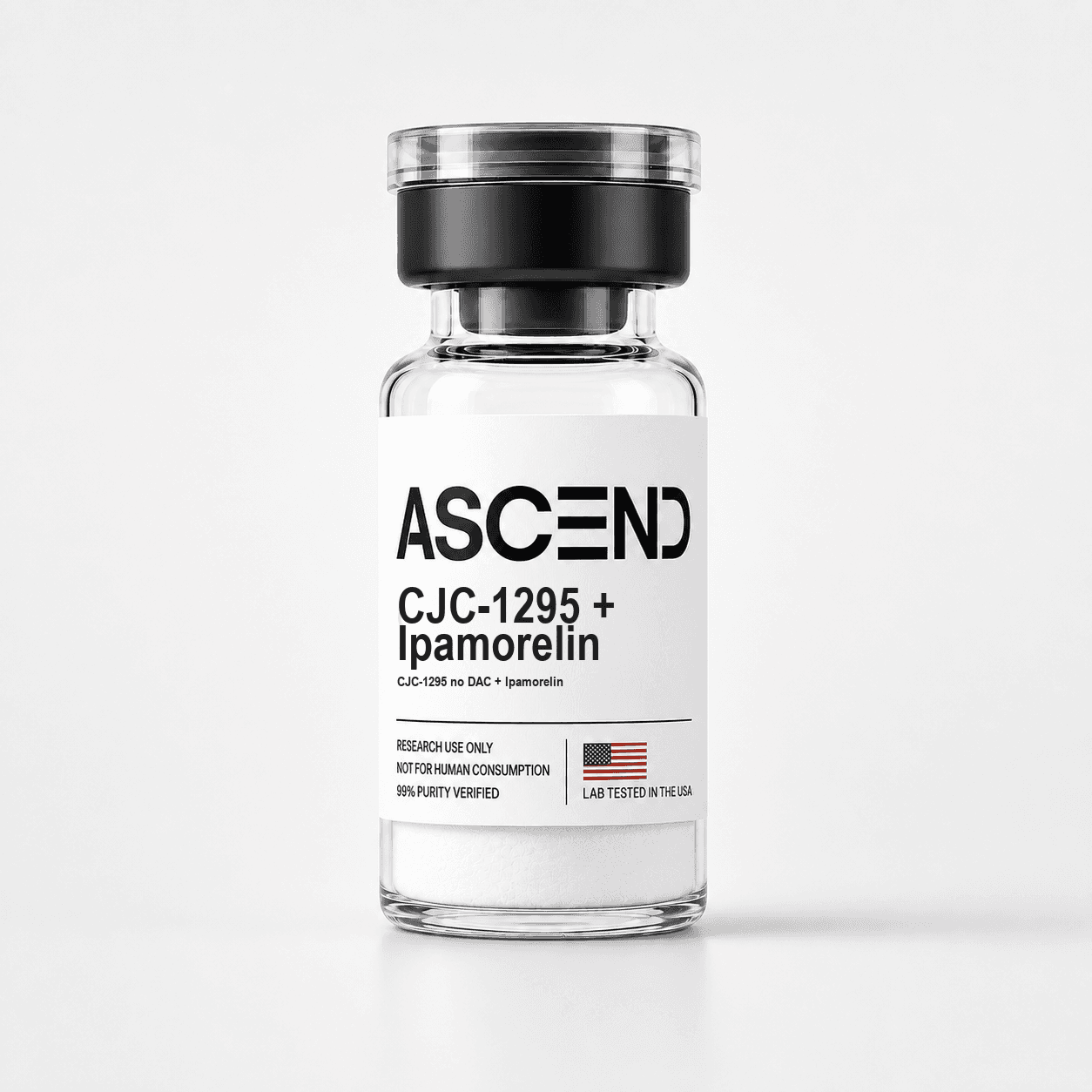
CJC-1295 + Ipamorelin
10mg + 10mg
$190
Bundle total
$535
Researchers also viewed
View all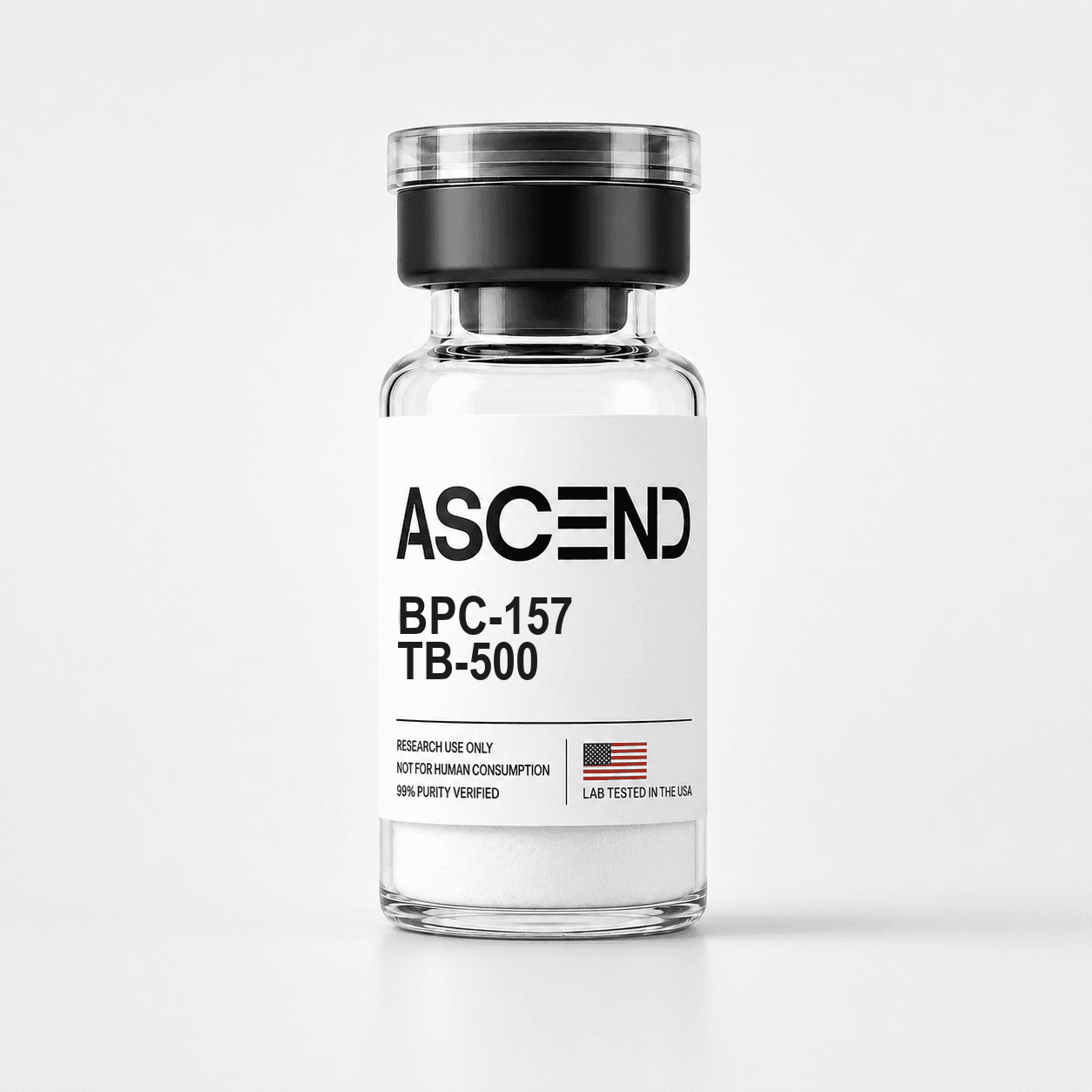
Sample Certificate of Analysis
Certificate of Analysis
BPC-157
Lot Number
SAMPLE-LOT
Purity (HPLC)
≥99%
Nominal Fill
10mg
Example of the certificate format issued for this compound. Purity and specification figures are the published values for BPC-157; the lot number and test date are shown only as placeholders. The certificate for the specific lot you receive is matched to the lot number printed on the vial. For laboratory research use only.
Characteristics
| Molecular Formula | C₆₂H₉₈N₁₆O₂₂ |
|---|---|
| CAS Number | 137525-51-0 |
| Molar Mass | 1419.53 g/mol |
| Amino Acid Sequence | Gly-Glu-Pro-Pro-Pro-Gly-Lys-Pro-Ala-Asp-Asp-Ala-Gly-Leu-Val |
| Synonyms | Body Protection Compound-157, Bepecin, PL 14736, PL-10 |
| Physical Form | Lyophilized powder |
| Solubility | Freely soluble in water and aqueous buffers |
| Organoleptic Profile | White to off-white lyophilized powder; odorless |
| Storage Conditions | Store lyophilized at -20°C; reconstituted solution stable at 2-8°C for up to 14 days |
| Composition | Lyophilized BPC-157 acetate salt |
How is BPC-157 used in research?
BPC-157 is a synthetic pentadecapeptide consisting of 15 amino acids, originally derived as a partial sequence from human gastric juice. It belongs to a class of compounds known as body protection compounds and has been the subject of extensive preclinical research since the early 1990s. In animal models, BPC-157 has been characterized across a broad range of biological assays, including in-vitro wound-assay outcomes and cell-migration kinetics in preclinical models involving muscle, tendon, ligament, and skin cell systems. Its mechanism of action is believed to involve modulation of the nitric oxide (NO) system, upregulation of growth-factor expression (including VEGF and EGF), and interaction with multiple molecular pathways including the FAK-paxillin and JAK-2/STAT-3 signaling cascades.
A substantial body of preclinical literature supports the peptide's role in gastrointestinal cytoprotection in GI epithelial cell models. Studies have shown that BPC-157 can counteract lesions induced by NSAIDs, alcohol, and various cytotoxic agents in gastrointestinal preclinical models, from the esophagus to the colon. The peptide has been characterized in in-vitro endothelial tube-formation (angiogenic) assays, considered central to its activity in tissue-repair research models. Research by Sikiric and colleagues has documented its activity in tissue-repair kinetics for anastomoses, fistulas, and other surgical research-model wounds in rat preclinical systems.
Beyond the gastrointestinal system, BPC-157 has been investigated in neuroprotective assay models. Preclinical studies suggest it may modulate dopaminergic and serotonergic systems, with reported cytoprotection in preclinical cell cultures against damage induced by cuprizone, MPTP, and other neurotoxins. The peptide has also been characterized in bone-fracture tissue-repair research models and in preclinical models counteracting corticosteroid-induced parameter shifts.
Areas of Study
Tissue-Repair Research Models
Investigated in in-vitro wound-assay outcomes and cell-migration kinetics in preclinical models of muscle, tendon, ligament, and skin cells through upregulation of growth-factor receptor signaling.
Gastrointestinal Protection
Studied extensively in GI epithelial cell models for cytoprotection against NSAID-induced lesions, alcohol damage, and inflammatory-marker modulation in preclinical studies.
Angiogenic Assay Studies
Research demonstrates activity in in-vitro endothelial tube-formation assays via VEGF pathway modulation, central to its regenerative-research-model profile.
Tendon & Ligament Research Models
Preclinical studies show cell-migration kinetics in preclinical models of transected Achilles tendons and other connective-tissue research models, studied in collagen/ECM assay models.
Neuroprotective Assay Models
Investigated for cytoprotection in preclinical cell cultures of dopaminergic neurons and modulation of serotonergic pathways in neurotoxicity research models.
References
- [1]Sikiric P, Seiwerth S, Rucman R, et al. (2018). Stable gastric pentadecapeptide BPC 157: novel therapy in gastrointestinal tract. Current Pharmaceutical Design, 24(18), 1990-2001.
- [2]Seiwerth S, Sikiric P, Grabarevic Z, et al. (1997). BPC 157's effect on healing. Journal of Physiology Paris, 91(3-5), 173-178.
- [3]Cerovecki T, Bojanic I, Brcic L, et al. (2010). Pentadecapeptide BPC 157 (PL 14736) improves ligament healing in the rat. Journal of Orthopaedic Research, 28(9), 1155-1161.
- [4]Sikiric P, Seiwerth S, Rucman R, et al. (2014). Stable gastric pentadecapeptide BPC 157-NO-system relation. Current Pharmaceutical Design, 20(7), 1126-1135.
- [5]Tkalcevic VI, Cuzic S, Brajsa K, et al. (2007). Enhancement by PL 14736 of granulation and collagen organization in healing wounds and the potential role of egr-1 expression. European Journal of Pharmacology, 570(1-3), 212-221.
Disclaimer: Information provided for research reference only; not medical advice. Sold strictly for in-vitro research use.
Certificate of Analysis
Third-party verified
Every batch of BPC-157 is independently tested by an A2LA-accredited (ISO 17025:2017) laboratory using HPLC-UV/VIS for purity and identity, with a batch-specific lot number. Results are published publicly.
View COAsMore research compounds
View all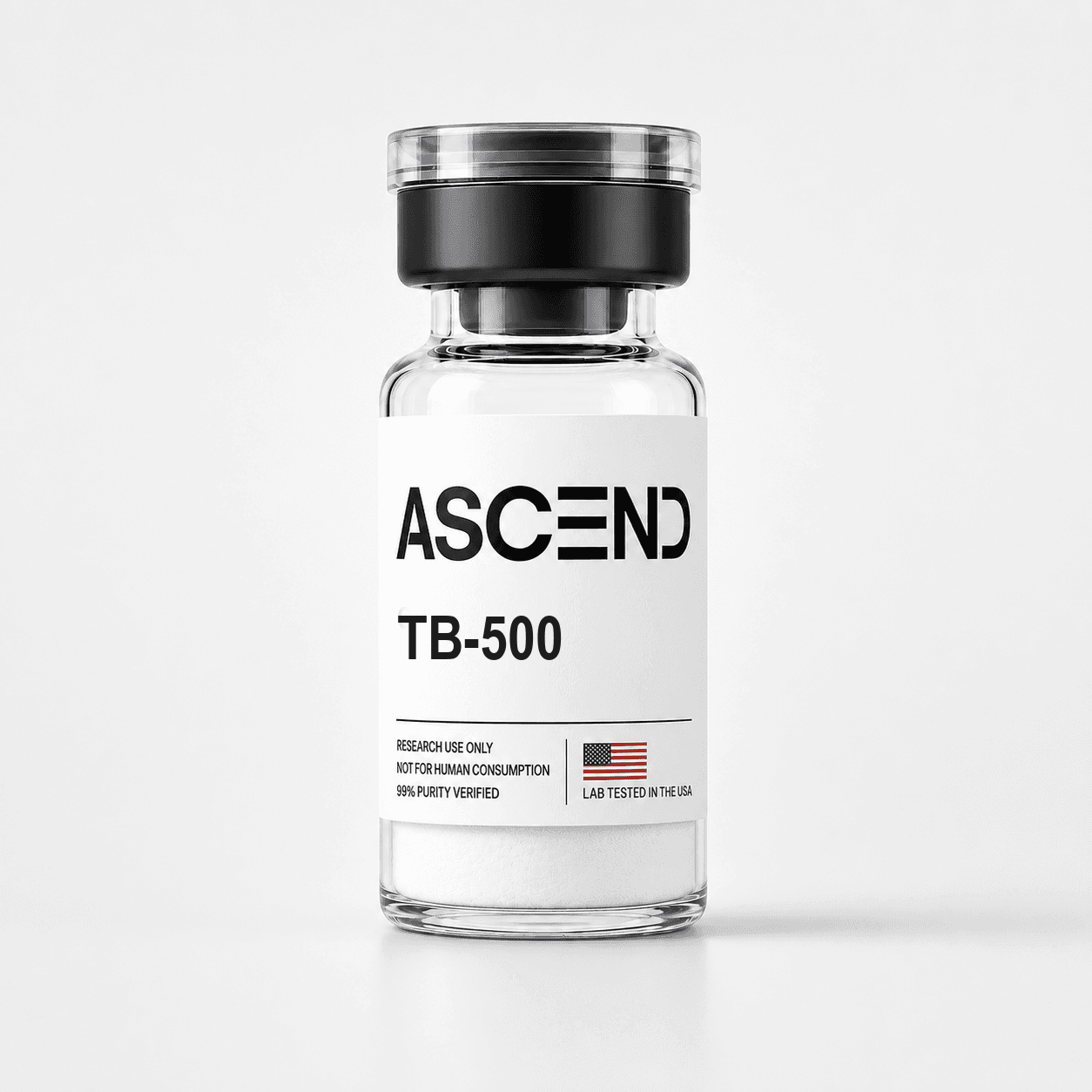
Frequently
Asked
Questions
Everything on purity, paperwork, shipping and the research-use-only terms. Still stuck? Read the full FAQ.
What does research use only mean?
Every compound we supply is a reference standard intended strictly for in-vitro laboratory research. It is not a drug or a supplement, and it is not for human or veterinary use, nor for diagnostic or therapeutic use.
How is purity verified?
Every lot is assayed by HPLC at an independent, accredited third-party laboratory. We publish the resulting Certificate of Analysis and link it to the lot number printed on the vial.
Where do I find the Certificate of Analysis?
Every lot has a public, batch-linked COA. Browse them all on the COA page, or open any product page and use the COA tab for that specific compound.
How quickly do orders ship?
Orders placed before 2PM EST ship the same business day. Shipments are cold-packed where required and fully tracked.
Do you ship internationally?
We currently ship within the United States. Requests from institutional buyers outside the US are handled case by case, so contact us before ordering.
Ready to Start
Your Research?
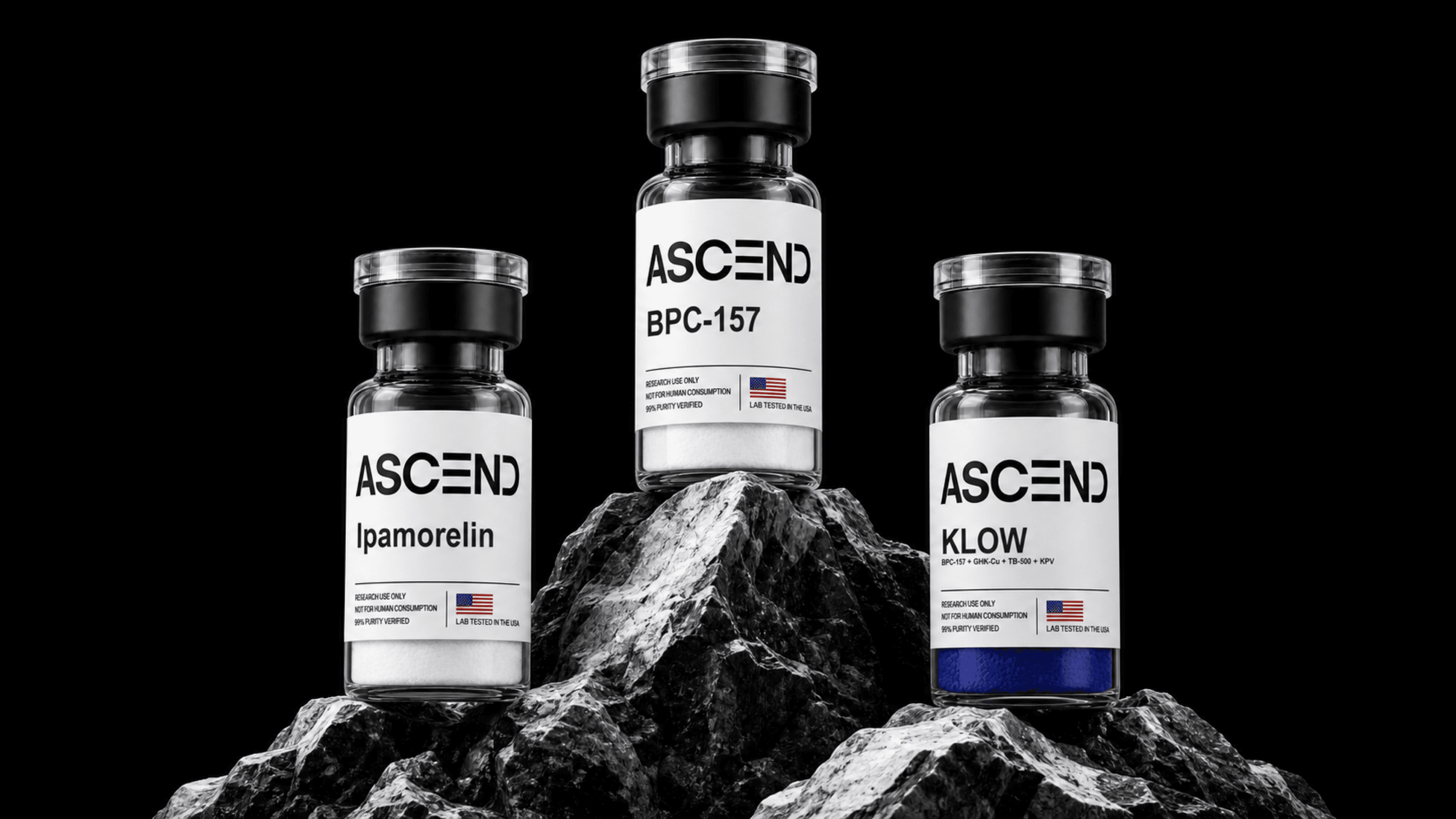
Browse the complete catalog of third-party verified, lyophilized research compounds. Orders before 2PM EST ship same day.